


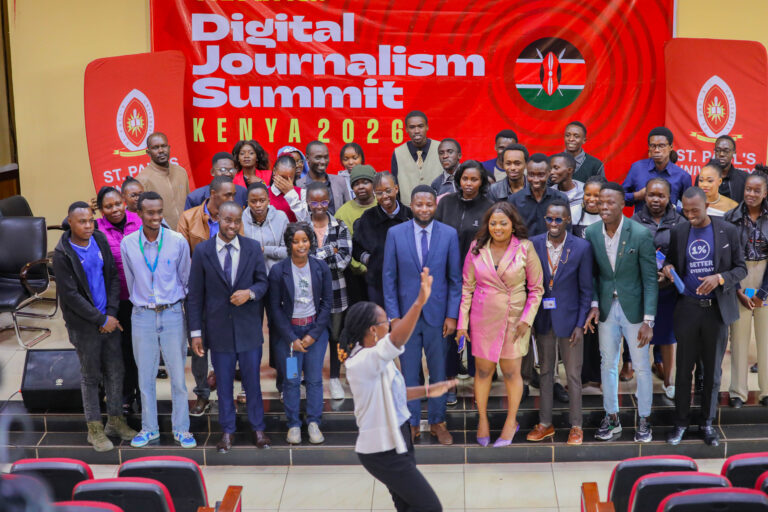
The second TN Africa Digital Journalism Summit has been held at St. Paul’s University in Limuru, Kenya, bringing together journalists, digital creators, climate advocates, and students to strengthen climate and food systems storytelling in Africa.
The summit, themed “Telling Africa’s Climate Change and Food Story in the Digital Age,” focused on equipping young journalists and content creators with the skills and motivation to report on climate change, food security, and environmental resilience using digital platforms.
Lead Convener of the summit, Senanu Damilola Wemakor, said the initiative is part of a broader effort to intersect journalism and climate action across the continent.

“This is in line with our vision to meaningfully intersect climate action and journalism as our investment into Mother Africa’s future,” he said during his opening address.
The Kenya edition follows the maiden summit held at the British Council in Ghana, which drew more than 300 participants and led to increased interest in climate storytelling among journalists and digital creators.
According to Wemakor, the decision to host the second edition in Kenya was deliberate.
“We had the first one in Ghana last year and decided to have the second one in Kenya because Kenya is up there when it comes to discussions around climate action and organizations moving in that area, just so that we can create more awareness,” he said in an interview on the sidelines of the event.
The summit brought together tech innovators, climate change specialists, academics, and media professionals to examine how digital storytelling can amplify Africa’s climate and food security challenges.
Wemakor emphasized the growing influence of digital creators in shaping climate conversations, urging content creators to use their platforms responsibly.
“When you go online, you have two million followers, one million followers, what are they using these numbers for? This same audience can be used to project the message of climate change, and that is what we want to achieve,” he said.
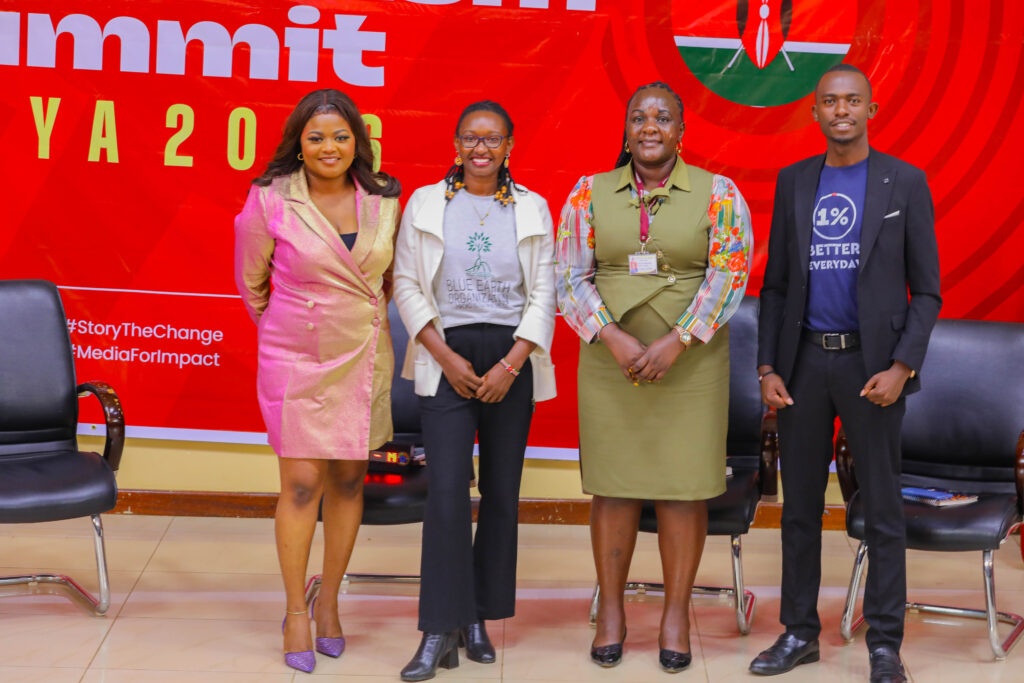
He noted that climate change impacts vary across countries but share common consequences such as drought, flooding, rising temperatures, and food insecurity.
“Every country has its own unique climate story. In Ghana, we have flooding and rising sea levels. In Kenya, there is drought and food security challenges. The stories are different, but we are all connected,” he added.
The summit also encouraged participants to build networks and commit to climate-friendly actions within their communities.
Head of Department at St. Paul’s University, Dr Winnie Ndeta, intimated,” as communicators, as digital creators, we are the gatekeepers in communication. Yet, the dominant narratives that often paint Africa paint it as a victim and a backdrop for global grief.”
“And we need to remain in our spaces in the universities, need to remain relevant. We have to go down to the people, because remember, these solutions are not to remain in the papers that we publish and put in the library shelves.”
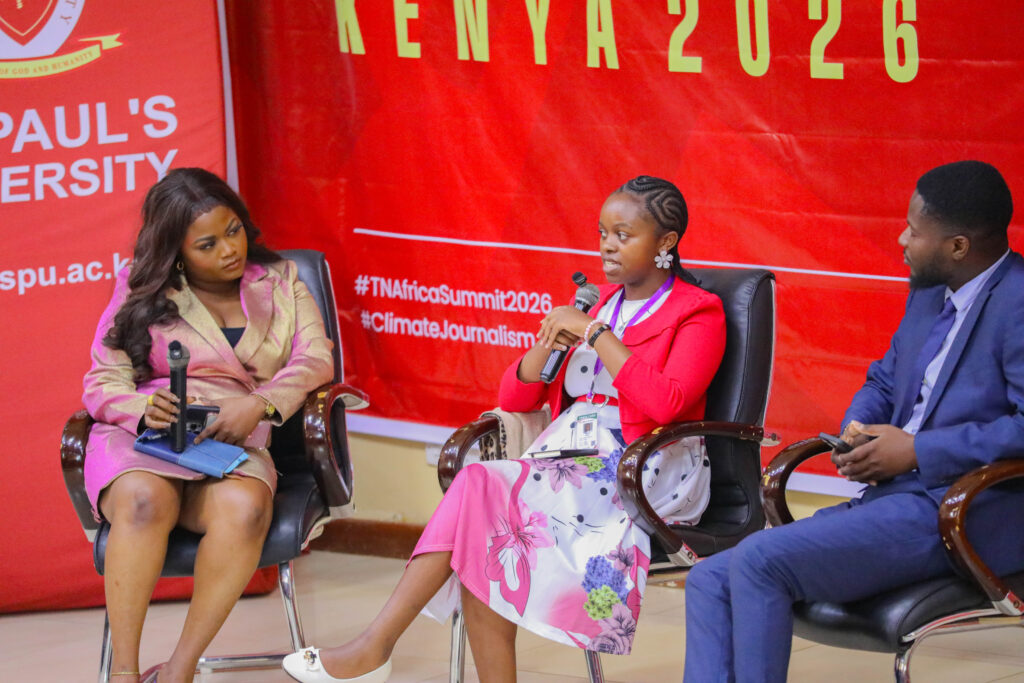
“This is not just a summit; it is a movement,” Wemakor told attendees.
The event featured panel discussions on climate and food systems, digital journalism, and youth-led climate communication, alongside keynote addresses and the launch of a continental storytelling initiative.
Organizers said the summit is part of TN Africa’s long-term plan to build a network of climate-focused journalists and digital creators across Africa.
Source: The Newsroom Africa