


Ghana’s newly established Sports Fund is turning to the media as a strategic partner in its effort to change how sports financing and development are understood across the country.
The Fund’s leadership says journalists will be critical to educating the public about the institution, promoting less-publicised sporting disciplines and scrutinising how public and private resources are used.
The call came during an engagement between the Ghana Sports Fund, the Ghana Journalists Association and members of the media fraternity, where officials outlined plans for a sustained relationship between the Fund and the press.
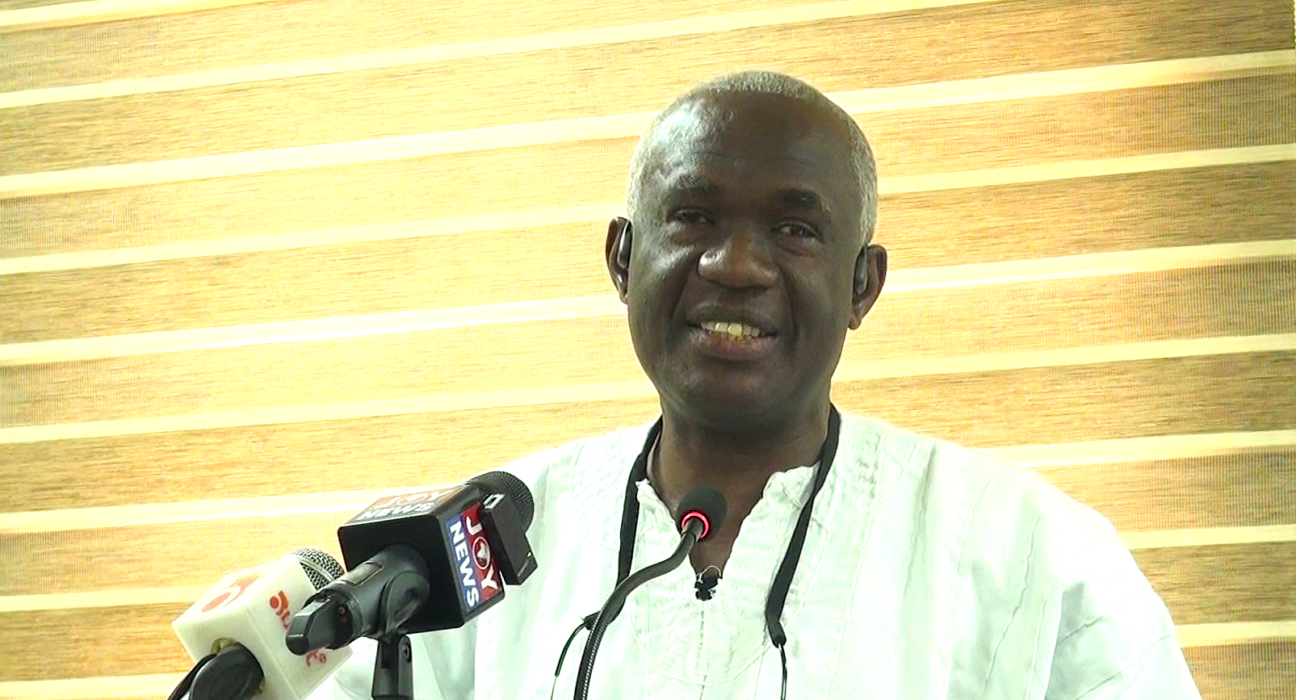
Dr David Kofi Wuaku, Administrator of the Ghana Sports Fund, said the institution was deliberately avoiding language that separates sports into major and lesser disciplines. “We are saying sports, sports, sports. We are not even differentiating major sports, lesser sports, and that,” Wuaku said.
He acknowledged football’s global importance but said the Fund’s mandate covers sports development broadly.
Ghana has more than 58 sports federations, according to Wuaku, and the Fund plans to engage the federations to determine how their respective disciplines can receive greater attention and support.
Wuaku also urged journalists to approach the Fund for clarification before publishing information that could create confusion around its operations.
“Please work with us. Don’t work against us,” he said
The Fund’s Deputy Administrator, Lawyer Simon Appiah Jn, said the relationship should go beyond conventional publicity arrangements and instead create a platform for public education, constructive scrutiny and accountability. “The Fund seeks a strategic partnership with the GJA, not merely a publicity relationship,” the secretary said.
According to the Fund, journalists can help explain its mandate and financing structure to the public while also bringing greater visibility to athletes and sporting disciplines that receive limited media attention.
He said misinformation could undermine public confidence in the institution, making accurate reporting and regular engagement with journalists particularly important.
The Deputy Administrator noted the proposed partnership with the media would therefore allow journalists to participate in the accountability process rather than simply receive information after decisions have been made
The Fund is proposing joint public education programmes, capacity-building initiatives for sports journalists, regular stakeholder forums and public briefings as part of the collaboration.
Officials also want the media to help move Ghana’s sports conversation beyond football. The secretary pointed to the large number of sporting disciplines across the country and said greater media attention could help identify emerging talent, particularly among young athletes and women.
The Fund’s board chairperson, Prof. Koryoe Anim-Wright, said Act 1159, which established the Ghana Sports Fund, creates a legally protected structure for sustainable sports financing.
The Act provides for multiple funding sources, including parliamentary allocations, special sports lotteries, betting-related fees, sporting event proceeds, athlete transfer contributions, sponsorship proceeds, competition proceeds, certification fees and other contributions.
She said transparency would be central to the Fund’s operations.
“Every cedi that comes into the fund has a destination, and every cedi that leaves it has to be accounted for,” the chairperson said.
The Fund plans to identify focal persons within both institutions, develop a GSF-GJA collaboration framework, agree on joint initiatives and establish regular engagements with journalists..
The broader objective, according to the Fund, is to build a sustainable financing ecosystem that supports infrastructure, talent development, grassroots participation, elite performance and athlete welfare.
TN Africa’s Take
Ghana’s sports financing story cannot be separated from the quality of information available to the public. A new funding structure will only build confidence if Ghanaians can see where the money comes from, where it goes and what it achieves. The media should therefore not become an extension of the Fund’s communications machinery; it should become an informed partner capable of explaining, questioning and documenting its impact. That is how a sports financing institution earns public trust