


On 15 August 2026, a boy from one of Ghana’s most underestimated suburbs headlined one of the world’s most iconic venues. That sentence deserves a moment to sit still.
There is a specific kind of achievement that does not announce itself the way awards do.
It does not arrive in an envelope or get handed over on a stage with confetti falling. It announces itself in a different way, in the full weight of 5,000+ people packed into OVO Arena Wembley, in London, on a Saturday night, singing the words of a man born in Ashaiman back to him in a language the world did not expect to love.

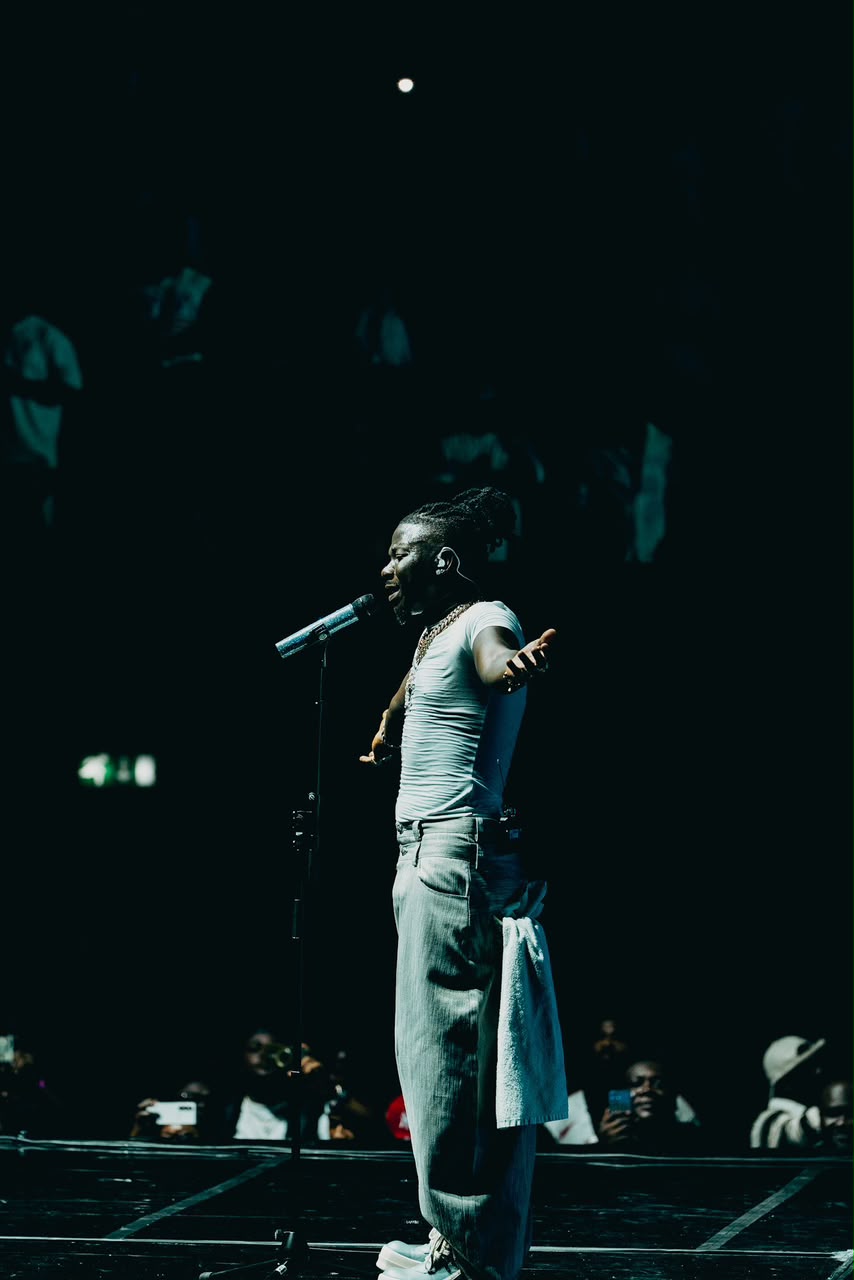
BhimFest London 2026 was the first sold-out concert headlined by a Ghanaian artist at OVO Arena Wembley. That sentence is not a statistic. It is a door that Livingstone Etse Satekla, known to the world as Stonebwoy, has permanently opened.
Stonebwoy grew up in Ashaiman, a suburb of Accra, where he began writing and performing music while still in school, drawing inspiration from artists like Buju Banton, Beenie Man, and Bob Marley. He went on to earn a degree in Marketing from the University of Professional Studies, not as a backup plan, but as proof that the mind behind the music understood exactly what he was building.
His career took off after joining Samini’s HighGrade Family in 2008, where he honed his craft before founding his own label, Burniton Music Group, in 2012. That decision, to own his label, his masters, his direction, matters more than most people give it credit for. Stonebwoy did not just build a music career. He built an institution.
He has been described as the king of Afrodancehall reggae and dancehall in Africa. But even that title undersells what he represents. He is the proof that Afrodancehall, a sound that fuses Ghanaian rhythms, Jamaican patois, and continental African energy, deserves its own seat at the global table. He did not wait for an invitation. He built the table himself and called it BhimFest.
BhimFest is one of Ghana’s most celebrated music events and a major platform for Afrodancehall culture. Since its inception, it has grown into a landmark annual festival, delivering 10 successful editions and attracting tens of thousands of fans from across Ghana and beyond.
Ten editions. A decade of showing up, building, and expanding, until the festival outgrew its borders entirely.

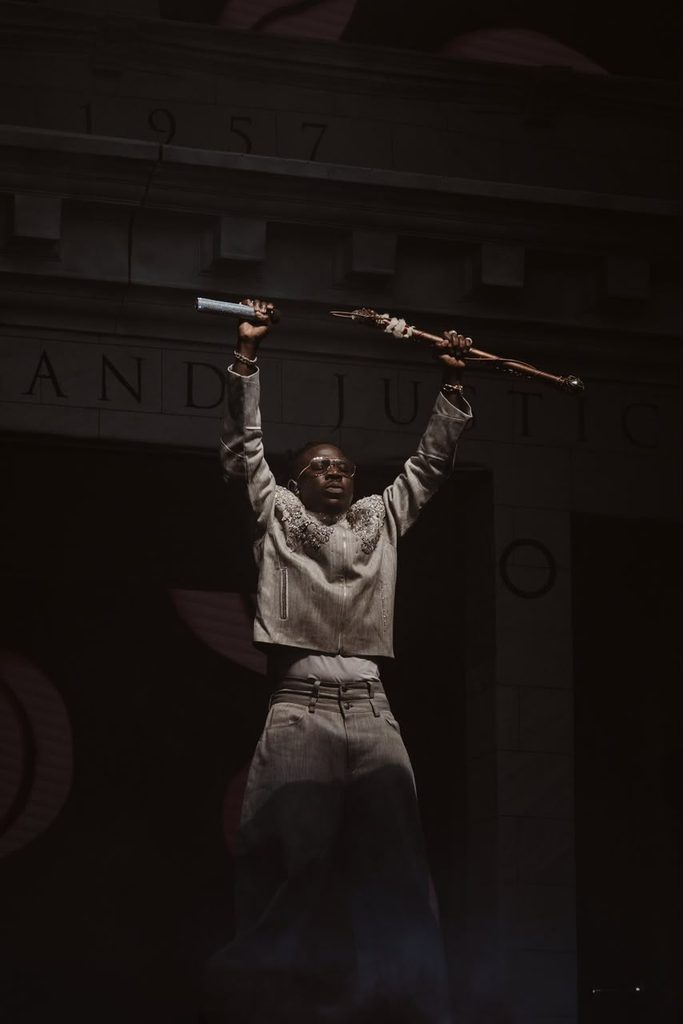
The London edition followed the festival’s “Rooted, Resonant, Global” theme, more than just a performance, an immersive showcase of Ghanaian culture, fashion, and art in the heart of the UK. And the lineup that night reflected exactly that continental ambition. He was joined by Samini, Kwabena Kwabena, Ofori Amponsah, Fameye, DopeNation, Juma Jux, Patoranking, Tiwa Savage and Mr P. Ghana and Nigeria, East and West Africa, all on one stage in London, not as guests of a British promoter, but as participants in something an African man produced himself.
That is the part the headline numbers cannot fully capture.
Stonebwoy’s move comes on the heels of Sarkodie’s successful staging of the UK edition of his Rapperholic concert in London, part of what appears to be a deliberate, accelerated push by Ghana’s biggest musical exports to plant their flags in the British capital and tap into its substantial West African diaspora community.
This is not coincidence. It is strategy. It is a generation of Ghanaian artists who have watched the global music conversation happen around them for long enough and decided, collectively and individually, to change its direction.
In 2022, Stonebwoy signed with Universal Music Group’s Def Jam Recordings, releasing his album 5th Dimension, which debuted at number eight on the Billboard Reggae Albums Chart. Billboard. Def Jam. Wembley. These are not accidents. They are the accumulation of a man who understood, from Ashaiman, that the destination was always global, and worked backwards from that certainty every single day.
There will be more Ghanaian artists at Wembley. There will be more African-produced festivals on international stages. There will be more moments like the one on 15 August 2026, where the diaspora and the continent meet in a room and remember, through music, that the distance between them was always smaller than the world suggested.
Livingstone did not just headline a concert. He made all of that more possible.
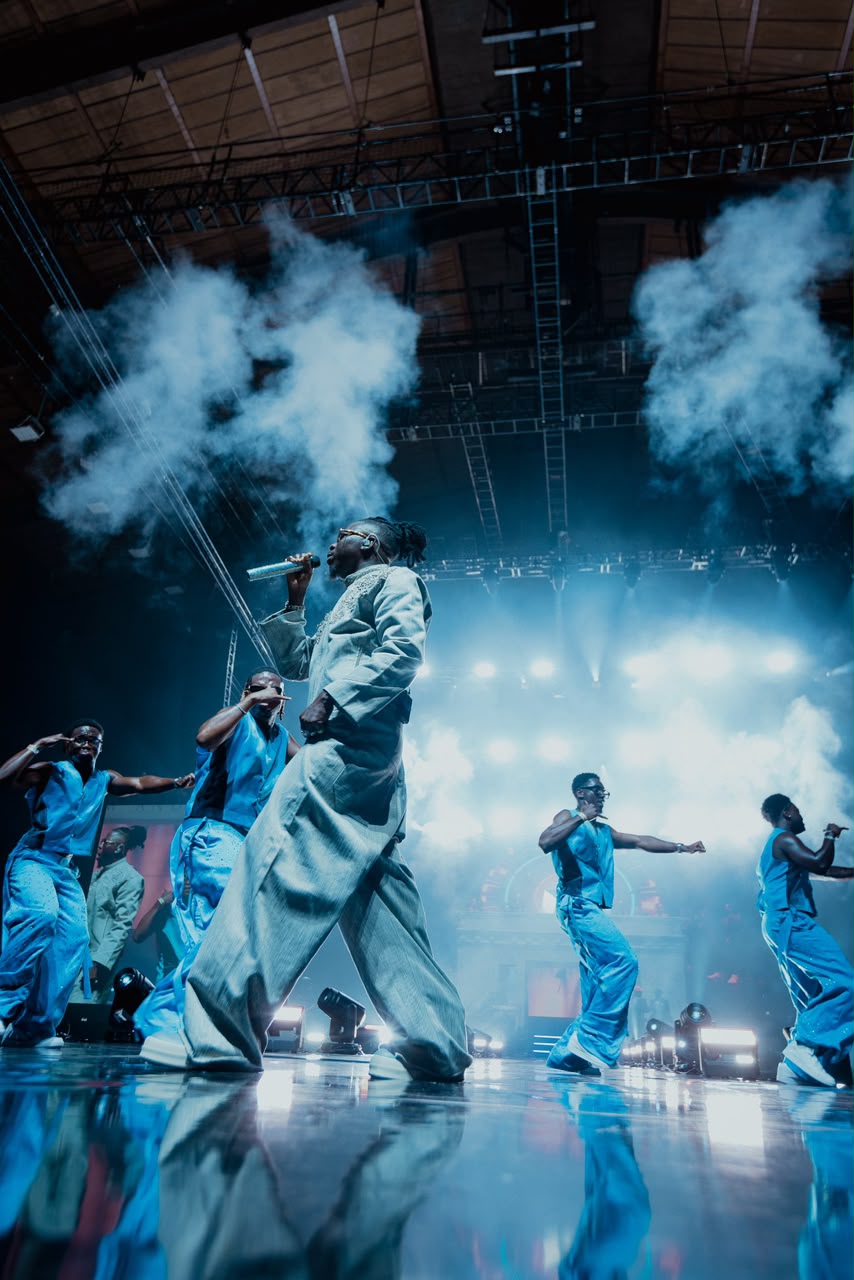
That is what icons do. They do not just occupy the space that exists. They create space that did not exist before, and leave it open for whoever comes next.
TN Africa’s Take
Ghana’s music has always deserved the world’s attention. What Stonebwoy has done is stop waiting for the world to notice. BhimFest London is not the peak of his story. It is the clearest evidence yet of what African cultural infrastructure looks like when it is built with patience, ownership, and an unshakeable belief in the continent’s creative power. The next generation of Ghanaian and African artists will look back at 15 August 2026 and understand that the ceiling was removed that night.
Written by: Senanu Damilola Wemakor, News Editor, The Newsroom Africa
Source: The Newsroom Africa