


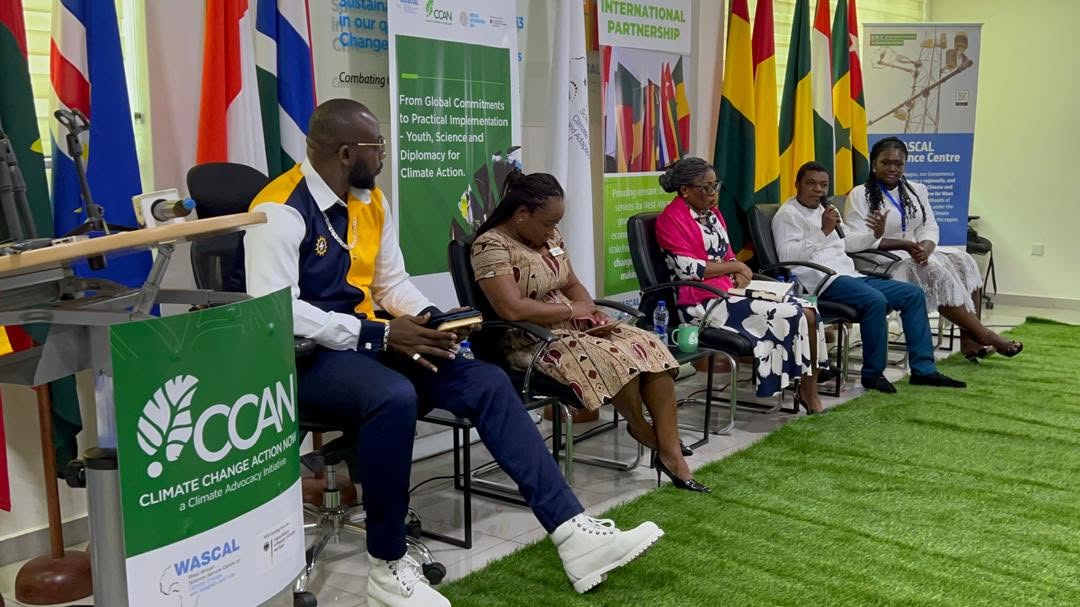
The West African Science Service Centre on Climate Change and Adapted Land Use (WASCAL) has called for stronger collaboration between governments, scientists, development partners, media practitioners and young people to accelerate climate action across the region.
The call was made during a World Environment Day dialogue held in Accra under the theme “From Global Commitments to Practical Implementation: Youth, Science and Diplomacy for Climate Action.”

Speaking at the event, WASCAL Executive Director, Prof. Emmanuel Wendsongre Ramde, said climate change was no longer a future threat but a present reality affecting agriculture, health, education, livelihoods, and economic development across West Africa.
“Floods, droughts, heat stress, ecosystem degradation and threats to livelihoods are no longer distant projections. They are realities affecting our people and our development pathways,” he said.
The event brought together diplomats, researchers, policymakers, youth leaders, media practitioners, and development partners to discuss practical approaches to climate resilience.


Prof. Ramde noted that following the launch of WASCAL’s Climate Change Action Now (CCAN) initiative in 2025, the institution was entering a critical implementation phase aimed at translating climate research into practical and scalable solutions.
“Our goal is clear: to transform climate research into practical, scalable and inclusive solutions that respond to the needs of communities,” he stated.
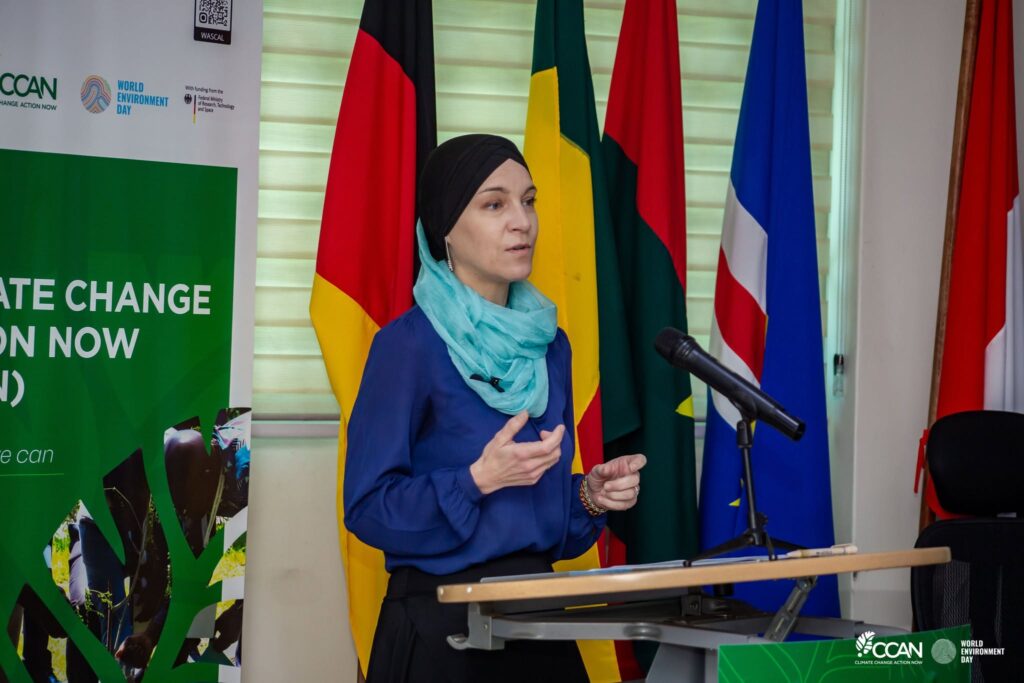
Representing Germany’s Federal Ministry of Research, Technology and Space (BMFTR), Annassi Kerstin emphasized that climate action must move beyond policy discussions to implementation.
“Climate change is not a distant threat. It already affects agriculture, water, health, livelihoods, ecosystems and economic development across the world,” she said.
Kerstin added that while technology remains important, lasting climate solutions require active participation from communities and young people.
“Real transformation happens when people are involved, when communities participate, when young people contribute ideas, and when local innovation is encouraged and supported.”
The event also highlighted youth participation, climate innovation, renewable energy awareness, and the role of science communication in driving environmental action across West Africa.
Source; www.thenewsroomafrica.com